
Perinton Resident Lookup Sources
No single official directory covers every Perinton resident. The right lookup depends on the question you bring. A current property lead starts with the public assessment roll or a parcel map. A recorded deed or legal transfer sits with the Monroe County Clerk. A voter registration result may come from the elections lookup. It works best when its required fields are already in hand. Older identity questions tend to fare better in library, historian, newspaper, obituary, and cemetery collections. Directory collections help there too. Every source carries its own date and purpose. Keep each result labeled for what it is: an ownership lead, a registration result, a court lead, or a historical mention. The residents directory picture in Perinton comes together only when those pieces stay distinct.
| Record trail | What it can confirm | Custodian or search | Access route |
|---|---|---|---|
| Final assessment roll | Parcel, owner, mailing address, class, and roll date | Perinton Assessment Office | Online rolls for 2019-2026, office assistance |
| Deed index | Grantor, grantee, instrument date, and legal conveyance | Monroe County Clerk | Online index, public terminals, copy request |
| Voter result | Registration, polling place, and ballot categories | Monroe County Board of Elections | Person-specific official lookup |
| Court index | Whether a docket lead exists for a matching party | New York eCourts or court clerk | Online interface, clerk counter, phone |
| Historical collection | Dated address, family, or local-event clue | Library, Historian, or Historical Society | Digital material, reference desk, archives |
Begin at the source nearest the detail you already hold. An address fits the roll and parcel map best. A dated name tests well against an old directory or an obituary. A deed outweighs an assessment row for a conveyance. Neither one proves that every person tied to a location actually lived there.
Anchor Perinton Names to Parcels
With a street address in hand, the Perinton assessment roll is the right first stop. The County property tools come next. Enter the house number and choose the official street form. Keep the property location separate from the owner mailing address. Note the parcel or tax-map identifier, the class, the owner display, and the final-roll year. Roll years run from 2019 through 2026. That date matters. Ownership, mailing addresses, values, and classifications all change over time.
Next, the Monroe County parcel viewer confirms the parcel sits in the municipality you intend. A Fairport postal address does not always mean the parcel lies inside the Village of Fairport. A mailing address outside Perinton may point to a trust, an estate, or an owner living elsewhere. For an address-by-address workflow, the Perinton street directory carries the full method. A resident lookup treats the parcel as just one identity anchor.
The Monroe County voter lookup displays the extra fields a person-specific civic check demands.
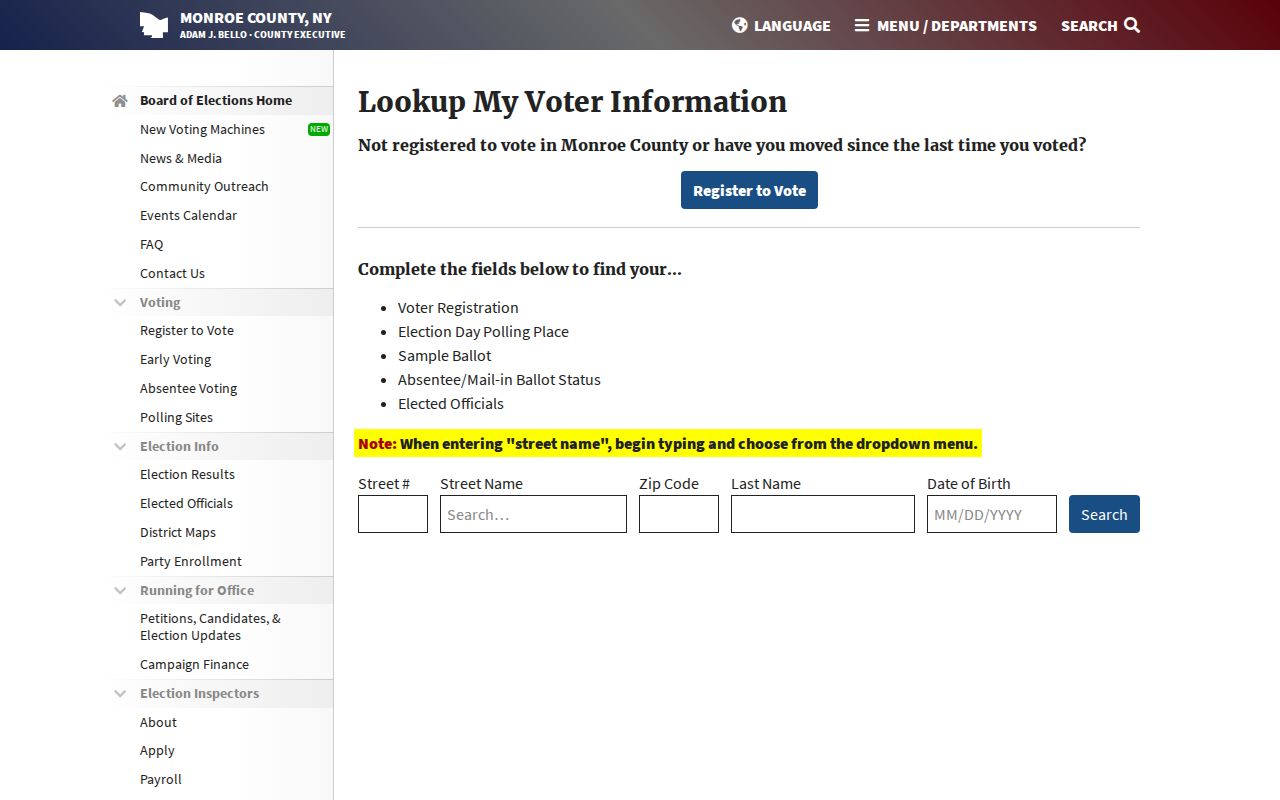
Its street, ZIP, surname, and date-of-birth fields explain the limits. This is a verification step for a supplied identity, not a broad resident search.
Perinton Court Lookup Fields
New York eCourts is a family of interfaces, not one complete name-history search. WebCivil Local provides Index, Party, Attorney/Firm, Judge, and calendar searches. Its party search narrows by party role, court, case type, filing year, and status. Sort order, future appearance, and HTML or PDF output can also be set. WebCriminal requires the first two characters of a first name plus the last name. A corporation search also works. Then choose a court or all courts. It is not a full criminal-history report.
Pin down the right court and case type first. Perinton Town Court sits at 1350 Turk Hill Road, Fairport. Fairport Village Court sits at 31 South Main Street, Fairport. Town and village files do not flow into County Clerk files automatically. Record any court result as a lead. Note the court, index or docket number, case type, filing date, party role, status, appearance date, and any displayed disposition. A familiar name alone proves neither identity nor a current address.
| WebCivil Local party search | Name, role, court, case type, filing year, status, and future-appearance choices |
|---|---|
| WebCriminal | First-name characters plus surname, then a court selection; selected future appearances only |
| WebSurrogate | Name, date of death, or file search; not every court is online |
| Clerk fallback | Call or visit the specific clerk for index-number help, archive location, copies, or a certificate of disposition |
Note: A sealed or restricted file stays nonpublic even when an index seems to show a case reference.
Verify a Perinton Resident Record
A sound Perinton resident lookup rests on two independent record types. For a current property question, pair a dated assessment row with the County Clerk deed index. For a person-specific election question, use the official voter form only with its required inputs, and treat the polling or registration result as civic information rather than a household list. For an older name, set a directory or newspaper entry beside an obituary, cemetery record, census, or another dated source. Write down the search date and the record date both.
- Normalize the town, village, postal city, ZIP, and street form before searching.
- Use an address or owner name to find a public roll result, then save the parcel ID and roll date.
- Check the Clerk grantor-grantee index and deed image or copy for a legal conveyance.
- Use a court, voter, vital, or historical source only for the narrow question it is designed to answer.
- Retain conflicting results with their dates instead of silently merging them into one conclusion.
- Docket
- A court's tracking record for a case, usually identified by an index, file, or docket number.
- Index and image
- An index lists searchable facts such as parties and dates; an image is the underlying scanned document, which may have separate access rules.
- Certified copy
- A copy issued and authenticated by the custodian. Eligibility, fees, and identification rules can apply.
Perinton Vital Record Boundaries
Vital records are not a general name-search tool. The New York genealogy route allows a birth record after 75 years when the person is known deceased, a death record after 50 years, and a marriage record after 50 years when both spouses are known deceased. Those waiting periods build a genealogy-copy route, not open access to recent certified records. A direct-line descendant may request a waiver with proof of relationship and death.
A marriage license issued in Perinton makes the Town Clerk the local route for a qualifying marriage transcript or certified copy. Recent certificates carry stricter eligibility and identity requirements. For an older family question, a library index, obituary, or cemetery notation can supply the date or place a proper request needs. Adoption and other sealed records fall outside resident-lookup work entirely.
Perinton Resident Lookup History Trails
Older trails often beat a modern name search. The Fairport Library local-history collections hold material the others lack. So do the Town Historian and the Perinton Historical Society. Rochester city directories go back to 1827. Suburban directory holdings start in 1930. The Society's residential and business directories run from 1864 through 1966. Street sections, newspapers, census records, Sanborn maps, and obituaries all yield dated clues. Confirm any clue against a second record.
A timeline labeled by source might set a directory entry beside a newspaper notice. It might then add a deed or probate index. That mention should never become a claim about where someone lives now. For a shelf-by-shelf effort, the historical city directory gathers the collection years and access routes in one place.
Status Searches Have Narrow Purposes
Custody and registry systems answer narrow status questions. They do not say where a person lives. The Monroe County Sheriff incarcerated-individual information page links daily custody data. A result shifts with admission, release, transfer, or case status, so treat it neither as a full history nor as a residence record.
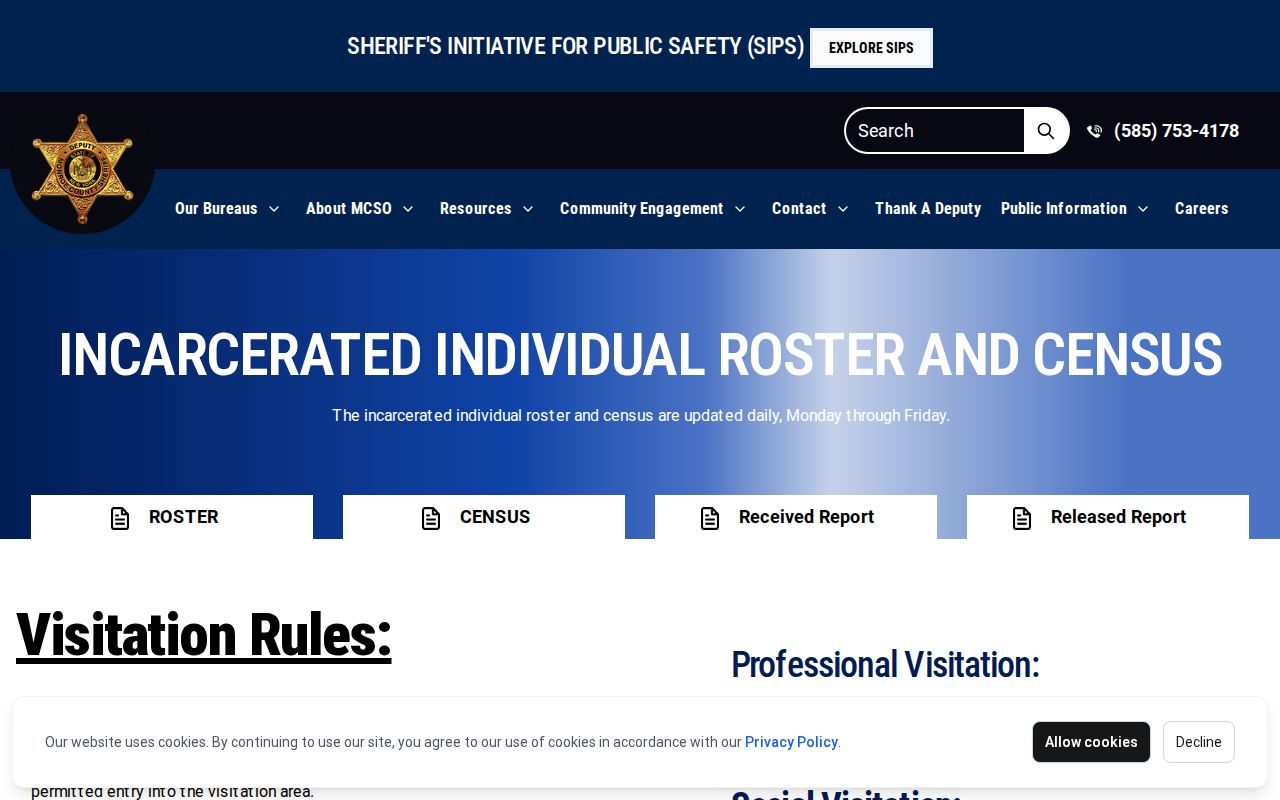
The Sheriff page serves one purpose: its stated custody information. Check the displayed date first. Read the agency's own instructions too. Only then consider a result or its absence.
The New York offender registry search carries its own controls and disclosure limits too. State prison records sit with DOCCS. A court docket, a jail roster, and a registry each cover different systems and time periods. None stands in for the others.
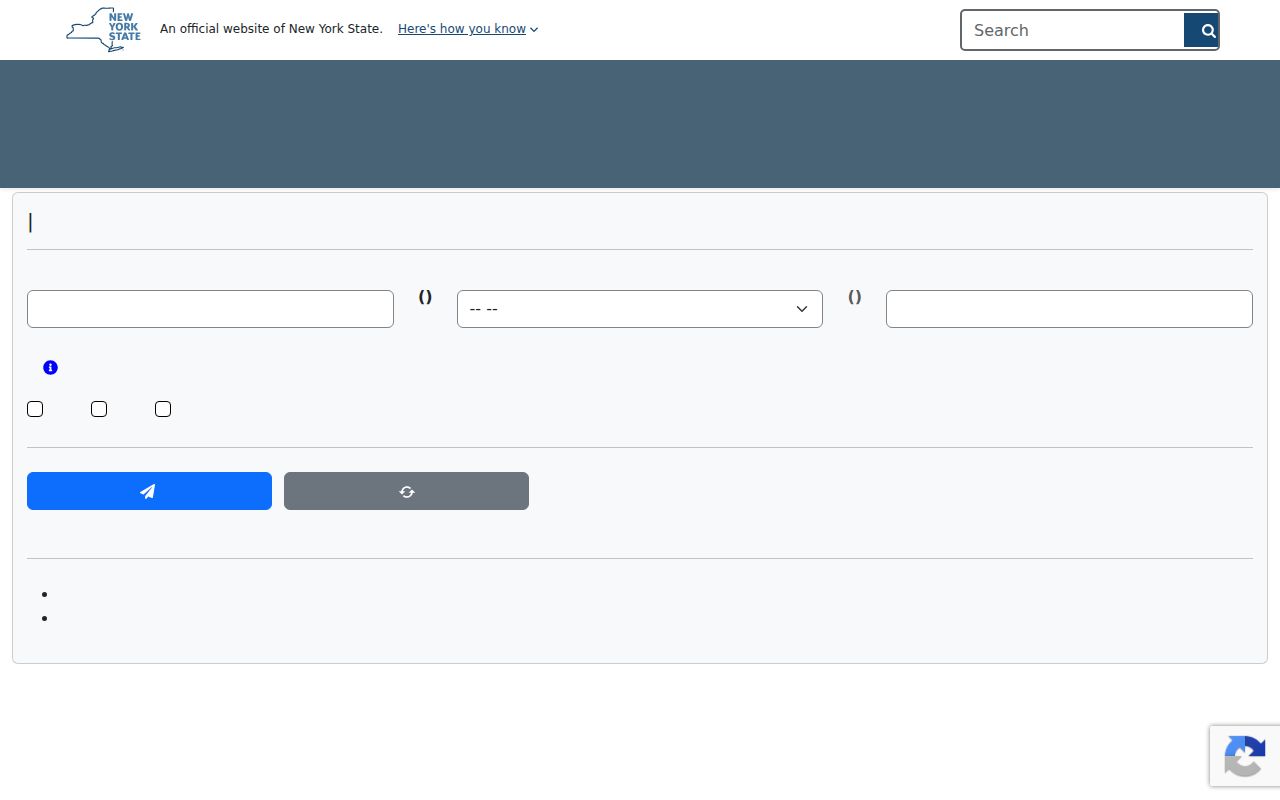
Use the registry only for the purpose and fields its official service provides. Never merge status results into a broad story about a person's life, past or present.
Perinton License Results Are Not Addresses
NYSED professional verification returns a profession, name, license number, location, original license date, registration status, and discipline summaries dating to 1994. Search by profession with the required name format, or use the full license number. That location field is a regulatory result, not proof of where someone lives. The Department of State entity database works the same way; it identifies an entity or service record rather than a home address.
These sources shine at verifying a stated professional or entity affiliation. Keep the profession, license number, status, result date, and official source bundled together. A business or practice address should never patch a gap in a resident record.
Perinton FOIL and Privacy Limits
New York's Freedom of Information Law, Public Officers Law Article 6, covers existing agency records. Those records must be reasonably described. The law does not force Perinton or Monroe County to build a resident list. It will not resolve an identity. Nor must it hand over exempt material. An agency generally must respond or acknowledge within five business days. Perinton's materials say readily available records usually arrive in 20 days or less. When an online source falls short, use the custodian's form, mail, email, counter, or phone channel. Request the narrow record you need.
Stop once a record is sealed, confidential, safety-protected, or closed through its public route. Election Law §5-508 can shield a confidential voter record from public inspection for four years. The New York Address Confidentiality Program gives eligible participants a substitute mailing address. DMV personal data carries separate DPPA limits. Cross-referencing other sources to slip past those protections is not allowed.
Lawful Perinton Resident Lookup
A final record trail should list the source, access channel, search date, underlying date, and the reason for your confidence. Contact the office, library, or historical collection that holds a wrong result and follow its correction process. Ask the court or agency which record it can release instead of inferring facts from an empty or restricted search.